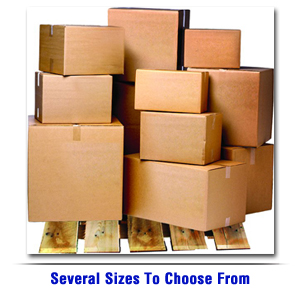
Shipping freight is a multimillion-dollar business. Every day, freight makes its way between states, across the Nation and around the globe. This is not a new phenomenon. In the early days of transportation services, goods and supplies cross the ocean by freighter, was then placed in a warehouse for transfer to freight train or wagons. Locally, freight made its way through towns by wagons. Trains were for long hauls. Ships made Trans-Atlantic crossings. This was the extent of the early freight management systems.
Technology Brings Changes
Technological advances in transportation and delivery systems altered freight transportation. The increase in and shifting patterns of population as well as the growth of urban centers resulted in significant changes. Cars and flat bed or pick-up trucks initially replaced wagons. As the highways grew, technology developed more advance vehicles. They grew in size becoming, over the years, the large semis and flatbed trucks seen on the highways today.
The demand for more goods and fresh food resulted in refrigeration units. Railroad cars and trucks soon had the technology to safely transport such fragile goods across the country. Refrigerated vehicles began to ride the rails and roads alongside dry vans. While dry vans account for the largest tonnage of good and products shipped today, refrigerated units are still essential.
The Rise of Management Systems
The growing complexity of the transportation and freighting business resulted in the rise of services that focused on providing a system that ensured products and transportation methods were able to connect easily and swiftly. It was a means of managing the freight producers/providers and the freight delivery systems so that the goods were never left in limbo. It was a means of making sure that both the goods providers and the transportation systems worked closely in a mutually profitable manner.
These freight management systems involved logistics. With the evolution into the computer age, the ability to handle increasingly complex transportation systems, to move freight from transport trucks to rail to ocean bound shipping containers became easier.
Freight Management Systems: The Norm for Today’s Shipping
The world of shipping is no longer as simple or straightforward as it once seemed to be. Goods now travel constantly in towns, through states, across the nation and around the world with a regularity and speed that would have astounded our ancestors. This requires co-ordination of all aspects. It has now become the norm for transportation and product shipping managers to turn to freight management systems to ensure the items arrive safely and on time.