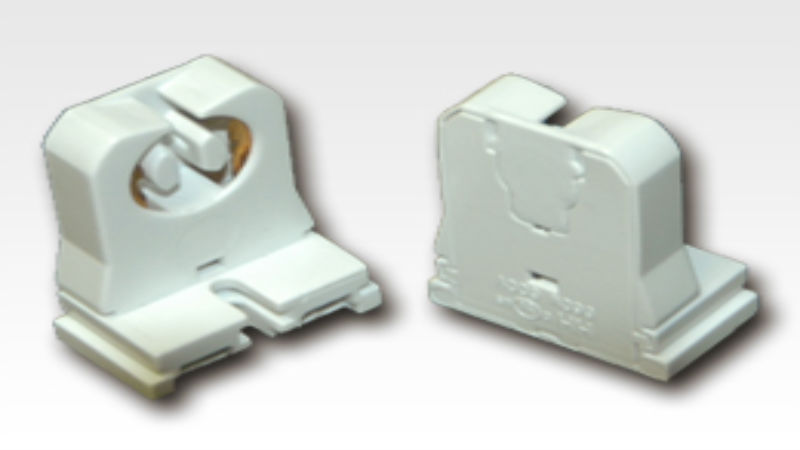
When it comes to shunted or non-shunted sockets, the difference lies in the way the electrical current goes through the fixture. Shunted sockets means that the current flow runs through in a single path. Non-shunted sockets means that current flow goes through multiple channels.
Does it matter?
Picking out the right socket is crucial in ensuring your electrical wiring is in order. A bad socket or the wrong one could result in an electrical short. In addition, it would also increase the chances of your bulbs burning out much too soon.
What are start ballasts?
Shunted sockets are used with instant start ballasts when you’re dealing with fluorescent lighting. So keep this in mind if you’re still using that lighting style. Plenty of companies still go for fluorescent lights, chiefly because of its low cost and efficiency, says LED Magazine.
How to tell which one is which?
Shunted sockets come with electrical contacts that are internally connected, hence the term shunted which also means joined or connected. Non-shunted sockets, on the other hand, come with separate contacts. That means there are different points of entry for the wires, so electrical currents have two tracks to travel. The contacts in these sockets aren’t joined or connected.
When to use them?
This depends entirely on the kind of lamp type you’re going for. Do your research to make sure you use sockets that are right for the bulbs you have. Also, you could externally shunt non-shunted sockets with wires if you need them. However, if there are too many sockets to shunt, you’ll be better off just buying new ones instead. That way, you can spare yourself the extensive and tedious wiring work that goes with it.
For less problems, always make sure you buy high quality shunted sockets. Reach out to specialists for assistance and help.