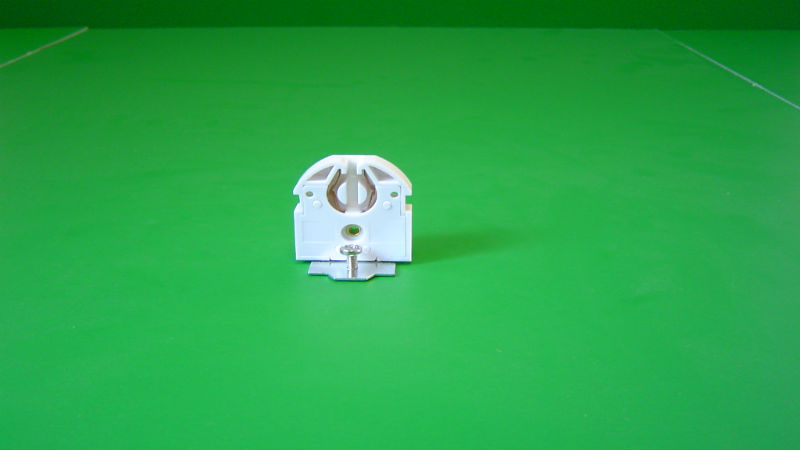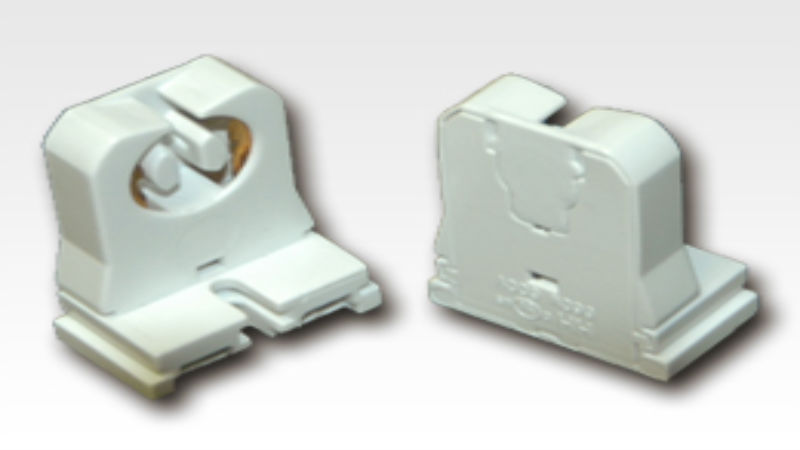
For anyone looking for an LED bulb socket and a corresponding LED bulb, the process can be a bit challenging. When electricians are wiring specific fixtures, they can carefully select the socket to match the correct bulb to provide the right lighting.
Homeowners and do-it-yourselfers may have more of a challenge. One benefit that any company providing installation services can provide for their customers is to ensure the customer knows the LED bulb socket that has been installed, as well as the correct type of LED bulb to use as a replacement when required.
Bulb Shape
There are an increasing number of unique, different and specialized types of LED light bulbs. Most of the unique options are for specific types of fixtures, including lamps and fixtures used in residential settings as well as in accent types of lighting.
Most commonly, the industrial and commercial types of LED lighting, as well as standard fixtures used in residential types of installations, feature the standard types of bulbs and sockets.
Differences to consider are really in the shape of the pins and how the LED bulb is inserted into the socket. Some are required to push in and twist, while others may simply slide into the mount and lock into place. There are also special types of a rotary LED bulb socket where the pins snap into place and rotate and lock.
For particular types of lamps, including the Slimline table and floor lamps, a unique type of socket is required to hold these types of bulbs. These may have a spring end that holds the bulb in place in the socket, or they may be snap-in or slide on in design.
Knowing the type of LED bulb required for use in the fixture is the first step in choosing the correct socket. When in doubt, consulting with the supplier is often the best choice to avoid an incorrect order.