Tailbone pain after snowboarding or ice-skating commonly results from landing backward on a hard or frozen surface. The impact can bruise the coccyx, strain nearby ligaments and muscles, or, less commonly, cause a fracture or joint displacement.
Although mild soreness may gradually improve, persistent pain can make sitting, driving, exercising, and changing positions difficult. An evaluation can help determine whether the symptoms are limited to the tailbone or involve the lower back, pelvis, or nearby nerves.
Why Are Winter Sports Falls Hard on the Tailbone?
The coccyx, commonly called the tailbone, is located at the lowest point of the spine. It helps support the body while sitting and provides attachment points for several muscles and ligaments.
During snowboarding, beginners and experienced riders may land directly on their buttocks after losing an edge or balance. Ice skaters may experience a similar impact when their feet slide forward and the upper body falls backward.
Snow and padded clothing may absorb some force, but packed snow and ice can be extremely firm. A direct fall transfers force through the buttocks into the coccyx and lower spine.
The severity of an injury can depend on several factors, including:
- The height and speed of the fall
- The hardness of the landing surface
- Whether the body twisted during impact
- Previous tailbone or lower-back injuries
- The person’s body position at landing
- Whether other areas struck the ground
A fall may also cause the muscles surrounding the hips and lower back to tighten protectively, creating discomfort beyond the tailbone itself.
What Does an Injured Tailbone Feel Like?
Tailbone pain is usually concentrated at the base of the spine, directly above the crease of the buttocks. The area may feel tender, bruised, or sharply painful when pressure is placed on it.
Common symptoms include:
- Pain while sitting on a firm surface
- Discomfort when leaning backward
- Pain when standing up from a chair
- Tenderness at the base of the spine
- Pain during bowel movements
- Difficulty sitting through work or travel
- Tightness in the surrounding hip muscles
- Discomfort during bending or squatting
Bruising or swelling may also appear after a forceful fall. Some people notice that the pain is worse after sitting for several minutes rather than immediately upon sitting down.
Is Tailbone Pain the Same as Lower-Back Pain?
Tailbone pain and lower-back pain are not the same, although they can occur together.
The coccyx is below the lumbar spine and sacrum. An injury focused on the coccyx typically causes localized pain during sitting or direct pressure. Lower-back injuries may cause discomfort higher in the spine and may become worse with bending, lifting, standing, or walking.
A fall can affect several regions at once. Someone may bruise the tailbone while also straining the lumbar muscles or irritating a joint in the pelvis.
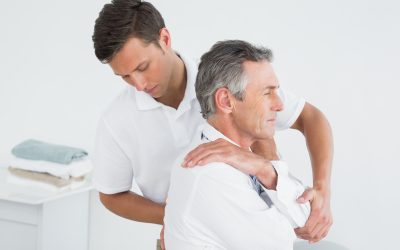
A back chiropractor may assess the coccyx area, lower spine, hips, and pelvis to identify where movement is limited and which structures reproduce the symptoms. A chiropractor for lower back pain should also consider whether the discomfort is coming from the coccyx rather than assuming every symptom originates in the lumbar discs.
When Should Tailbone Pain Be Evaluated?
Mild soreness after a fall may improve with temporary activity changes and reduced pressure on the injured area. An evaluation becomes more important when the pain is severe, continues to worsen, or significantly limits everyday movement.
A healthcare provider should assess symptoms such as:
- Severe pain after a high-speed fall
- Difficulty walking or standing
- Numbness or weakness in the legs
- Pain extending down a leg
- Loss of bladder or bowel control
- Numbness around the groin
- Fever or unexplained illness
- Pain that does not gradually improve
- Significant swelling or visible deformity
These symptoms may indicate that the injury involves more than a simple bruise.
How May a Chiropractor Evaluate the Injury?
An evaluation generally begins with questions about how the fall happened, where the person landed, and when the symptoms appeared. The clinician may also ask which positions worsen the pain and whether the person has experienced numbness, weakness, or radiating symptoms.
The physical assessment may include:
- Lower-back range of motion
- Pelvic and hip movement
- Walking patterns
- Muscle strength
- Sensation and reflexes
- Tenderness around the sacrum and coccyx
- Signs of lumbar or nerve involvement
Imaging is not needed for every tailbone injury. It may be considered when the fall was severe, a fracture is suspected, neurological symptoms are present, or pain remains unexplained.
Can Chiropractic Care Address Tailbone-Related Discomfort?
Chiropractic care may help address surrounding joint restrictions, muscle guarding, and altered movement after serious injuries have been ruled out. Treatment should be based on the examination rather than automatically applying force near the painful area.
A sports chiropractor may also consider how the injury affects an athlete’s ability to squat, rotate, balance, or transfer force through the hips and trunk. Returning to snowboarding, skating, or another activity before these movements are comfortable may expose the area to another fall.
Parker Integrative Health provides chiropractic evaluations for patients from Lone Tree and surrounding communities. They may assess the broader movement pattern and determine whether conservative chiropractic therapy is appropriate.
If the fall also caused neck pain or stiffness, a carefully selected neck adjustment may be considered only after the cervical spine has been evaluated. Neck treatment is not a direct treatment for an injured coccyx, and it should not be added unless examination findings support it.
What Can Help Reduce Pressure While the Area Heals?
Avoiding prolonged sitting may reduce repeated irritation. When sitting is necessary, a coccyx cushion with an opening at the back may help keep pressure away from the injured area.
Other practical steps may include:
- Changing positions regularly
- Avoiding hard chairs
- Temporarily limiting painful sports
- Taking short, comfortable walks
- Avoiding deep squats if they increase symptoms
- Using care recommendations provided by a healthcare professional
Complete inactivity is not always necessary. Movement should remain within a comfortable range and should not increase sharp pain, numbness, or weakness.
When Is It Safe to Return to Winter Sports?
Return to snowboarding or ice-skating should be based on function rather than a fixed timeline. The person should be able to sit, walk, squat, bend, and change direction without significant pain.
They should also be able to fall safely, maintain balance, and tolerate sport-specific movements before returning to full activity. Protective padding may reduce discomfort during future falls, but it cannot prevent every coccyx injury.
Request an Evaluation in Lone Tree, CO
Tailbone pain that persists after a snowboarding or ice-skating fall deserves an appropriate evaluation, especially when it interferes with sitting, walking, or returning to activity. Contact a qualified healthcare provider serving Lone Tree, CO, to determine whether conservative care or further medical assessment is appropriate.