• Comfortable contact lens wear depends on a proper fitting, the right lens material, and consistent hygiene habits.
• Southern Indiana wearers have access to local optometry practices that offer contact lens fittings alongside routine eye exams.
• Following manufacturer and provider instructions on cleaning, replacement schedules, and water exposure reduces the risk of eye infections.
Anyone searching for reliable Contact Lenses Indiana options is usually trying to solve one of two problems: discomfort with a current lens or the need for a first-time fitting. The good news is that most fit and comfort issues trace back to a handful of fixable factors, including lens material, replacement schedule, and daily handling habits.
Southern Indiana residents have several optometry practices that provide contact lens fittings as part of routine eye care, including VisionFirst, which serves communities across the region. Local access matters because contact lens fittings require in-person evaluation. A lens that looks fine on paper can still feel wrong on the eye until an optometrist checks movement, coverage, and tear film interaction.
Why Fit and Material Matter More Than Brand
Comfort problems rarely come from a “bad” lens. They usually come from a mismatch between the lens and the wearer’s eye shape, tear production, or daily routine.
• Rigid gas permeable and soft lenses behave differently on the cornea, and one type may suit dry eyes better than the other.
• Replacement schedules (daily, biweekly, or monthly) affect how much protein and lipid buildup accumulates on the lens surface.
• Not every prescription translates directly from glasses to contacts, since curvature and diameter also factor into the fit.
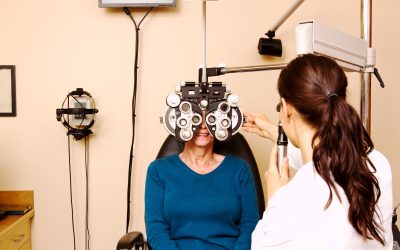
An eye care provider evaluates these variables during a fitting rather than guessing based on prescription strength alone. According to the CDC’s guidance on contact lens types, getting a proper fitting includes a complete eye exam, trial lens placement, and vision testing through the lenses before any prescription is finalized.
Daily Habits That Prevent Discomfort and Infection
Most contact lens irritation is preventable with a short list of consistent habits rather than expensive products.
1. Wash and dry hands before touching lenses or eyes.
2. Rub and rinse lenses with fresh solution every time they come out, never reusing old solution in the case.
3. Avoid sleeping in lenses unless an eye care provider has specifically approved extended wear.
4. Remove lenses before showering, swimming, or hot tub use, since water exposure can distort lens shape.
5. Replace the lens case at least every three months.
These steps matter because contact lenses are classified as medical devices, and improper care raises the risk of complications. The CDC notes that failure to wear, clean, and store lenses as directed can increase the risk of eye infections, including microbial keratitis, a serious corneal infection.
Comparing Common Lens Types
| Lens Type | Typical Replacement | Best Suited For |
| Daily disposable soft | Every day | Allergy sufferers, occasional wearers |
| Biweekly or monthly soft | 2 to 4 weeks | Regular wearers wanting lower cost per lens |
| Rigid gas permeable (RGP) | Longer wear, less frequent replacement | Astigmatism or specific corneal shapes |
This table reflects general categories only. An optometrist determines the specific type and replacement interval based on an individual eye exam.
When to See an Eye Care Provider
Persistent discomfort is a signal, not something to push through. Redness, blurred vision, excessive tearing, or a feeling that something is under the lens all warrant a same-week appointment rather than waiting it out.
• Sudden pain or light sensitivity should prompt lens removal and a same-day call to an eye doctor.
• Ongoing dryness by midday may mean the current lens material or wear schedule needs adjustment.
• Any sign of infection, including discharge or a visibly red eye, should not be treated with over-the-counter drops alone.
Routine follow-up exams also matter even without symptoms, since prescriptions and eye health can shift gradually over months of wear.
FAQ
How often should contact lens fittings be repeated? Most providers recommend an annual eye exam that includes a contact lens fitting check, since prescriptions and corneal shape can change over time.
Can I switch from glasses to contacts without a new exam? No. A contact lens fitting is a separate evaluation from a glasses prescription because it accounts for lens curvature, diameter, and how the lens moves on the eye.
Is it safe to wear contacts while swimming? It is not recommended. Water exposure can cause lenses to change shape or trap contaminants against the eye, raising infection risk.
What is the biggest mistake new contact lens wearers make? Skipping the rub-and-rinse step or reusing old solution, both of which reduce disinfection effectiveness and raise the risk of buildup on the lens surface.
Comfortable contact lens wear comes down to a proper initial fitting, a lens type matched to individual eye needs, and daily habits that protect against buildup and infection. Southern Indiana residents looking for a fitting or a routine check-in have local options, including practices like VisionFirst, that combine eye exams with contact lens services. Scheduling a fitting or annual exam is the most reliable way to address ongoing discomfort rather than adjusting lens habits alone.