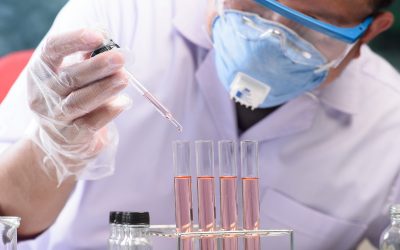
Recombinant antibody production is a process that has been used for many years to produce antibodies. Recombinant antibody production is the process of producing antibodies in a laboratory using recombinant DNA technology.
Recombinant DNA technology is the process of combining DNA from different sources into one molecule. This method allows us to produce antibodies that are specific to a particular protein.
Clone the Gene
The first step in recombinant antibody production is to clone the gene that encodes the desired protein. This can be done using a variety of techniques, including PCR or DNA sequencing.
Once the gene has been cloned, it can be inserted into a vector, such as a plasmid. The plasmid is then introduced into host cells, such as bacteria or yeast. The host cells will then express the protein.
Purify
It is necessary to purify the protein from the host cells to obtain pure antibodies. There are many methods of protein purification, but the most common and effective method is column chromatography.
This method uses a column packed with a porous material, such as agarose or polystyrene, and a solvent that can flow through the column. The proteins are separated based on their size, charge, and affinity for the material.
Uses
Once the protein has been purified, it can be used in a variety of applications, including research and diagnostics. Recombinant antibodies can be used to identify a specific protein in a specimen, determine the amount of protein in a sample, or purify a protein from a complex mixture.