• Tank water heaters cost less upfront; tankless units cost more but last longer and use less standby energy.
• Household size, hot water demand, and available space usually determine which type best fits a home.
• Local water hardness in West Bend, WI, can affect either system’s lifespan and efficiency over time.
Choosing between a tank and a tankless water heater comes down to upfront cost, available space, and how much hot water a household actually uses. Tank models store and continuously heat water, while tankless units heat water only as it flows through.
Homeowners comparing water heaters in West Bend, WI, often start with sticker price, but lifetime operating costs and installation requirements matter just as much for a sound decision. A unit that fits a smaller household’s budget may fall short for a larger family running multiple showers and appliances at once.
How Tank and Tankless Systems Actually Work
A tank water heater keeps 30 to 80 gallons of water heated and ready, cycling on and off to maintain temperature even when no one is using hot water. This standby heating is simple and reliable but accounts for a portion of a household’s energy use.
A tankless unit, by contrast, heats water on demand using a high-powered burner or electric element, producing hot water only when a tap or appliance calls for it. According to the U.S. Department of Energy, tankless heaters can be more energy efficient than storage models for households using less than roughly 41 gallons of hot water daily. However, the advantage narrows with heavier use.
Comparing Cost, Lifespan, and Capacity
Choosing the right system means weighing purchase price against lifespan and how well it meets daily demand.
| Factor | Tank Water Heater | Tankless Water Heater |
| Upfront cost | Lower | Higher |
| Typical lifespan | 10-15 years | 15-20 years |
| Hot water supply | Limited by tank size | Continuous, flow-rate dependent |
| Space needed | Larger footprint | Compact, wall-mounted |
• Tank units are generally easier and less expensive to install in homes already set up for one.
• Tankless systems may require upgraded gas lines or electrical service, which can add to installation costs.
• Larger households with simultaneous hot water needs may need a higher-capacity tankless unit or a second unit entirely.
Local Factors That Affect Performance
Water hardness is a practical consideration for either system. Mineral buildup from hard water can reduce heating efficiency and shorten the working life of both tank and tankless units over time, particularly in regions with harder groundwater supplies common across parts of Wisconsin.
Routine flushing and periodic descaling help offset scale buildup, especially for tankless units where mineral deposits can restrict narrow internal passages. Homeowners in West Bend, WI, dealing with hard water may notice these effects sooner than those on treated municipal supplies, making maintenance schedules worth tracking regardless of which system is installed.
Climate also plays a role. Colder incoming groundwater temperatures during Wisconsin winters mean tankless units have to work harder to raise water to a usable temperature, which can affect the flow rate available for simultaneous use.
Making the Right Choice for a Household
Matching the water heater type to household habits avoids both overspending and running short on hot water.
1. Count peak simultaneous hot water uses, such as a shower running while a dishwasher or washing machine operates.
2. Measure available installation space, since tankless units need venting and gas or electrical capacity that older homes may lack.
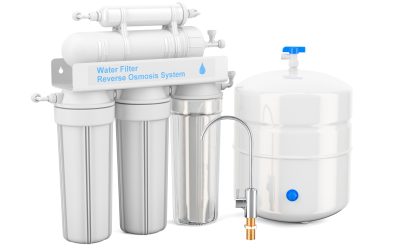
3. Factor in water hardness and whether a softening or filtration setup is already in place, since this affects long-term efficiency for either system.
4. Compare installation cost against expected energy savings over the unit’s lifespan rather than focusing only on the purchase price.
Based in Watertown, WI, we provide water heater evaluation and replacement appointments to households throughout West Bend, WI.
Frequently Asked Questions
Does a tankless water heater ever run out of hot water? A tankless unit does not run out the way a tank does, but it has a maximum flow rate. Running multiple hot water fixtures at once can exceed that rate and reduce water temperature or pressure.
Is a tankless water heater worth the higher cost? It depends on household hot water use and how long the unit stays in service. Lower-use households and those planning to stay long-term tend to see more value in the higher upfront cost.
How does hard water affect either type of water heater? Mineral buildup from hard water can coat heating elements and tank interiors, reducing efficiency and shortening lifespan. Tankless units are particularly sensitive because scale can narrow the internal heat exchanger passages.
Can an existing tank system be replaced with a tankless unit? Often yes, but it may require updated gas lines, venting, or electrical capacity depending on the home’s existing setup. A site evaluation is the most reliable way to confirm compatibility.
Final Notes and Next Steps
Deciding between a tank and tankless water heater depends on household size, budget, installation requirements, and local water conditions, with no single answer fitting every home in West Bend, WI. Schaefers Soft Water publishes service area details for households evaluating water heater options.