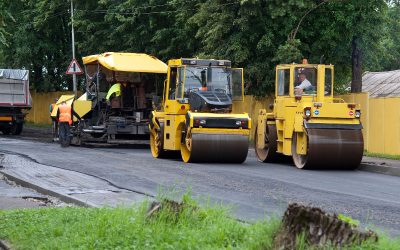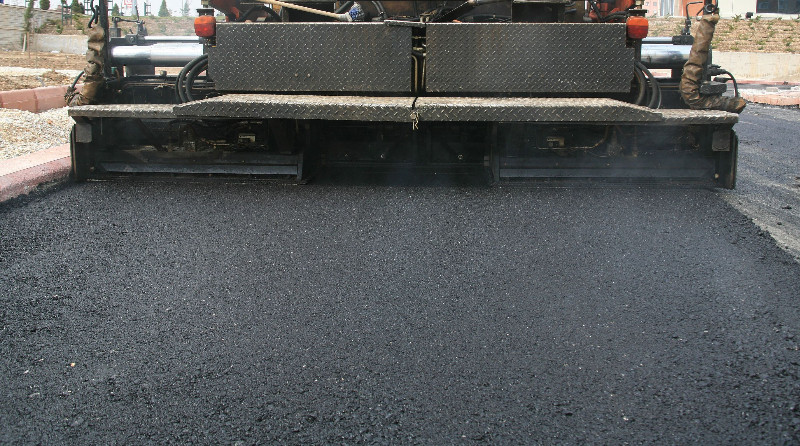
Micro seal is a pavement preservation treatment used to protect commercial asphalt surfaces that are showing early wear but do not require major reconstruction. For business lots in Phoenix AZ, it can help improve surface condition, protect pavement from daily vehicle turnover, and support a more organized parking experience when scheduled at the right time.
Commercial properties rely on parking lots for more than vehicle storage. A lot affects tenant access, customer movement, delivery flow, safety perception, and overall property presentation. Because Phoenix weather can be hard on paved surfaces, property managers need to understand when micro seal is appropriate, what should be reviewed before scheduling, and how it fits into a broader commercial asphalt paving plan.
What Is Micro Seal for a Business Parking Lot?
Micro seal is a surface treatment applied over existing pavement to help preserve and refresh the top layer. It is generally used on lots that have visible surface aging, minor wear, fading, or light texture loss, but still have a stable pavement structure underneath.
For a business parking lot, micro seal can help restore a more consistent appearance and add a protective layer against ongoing exposure. It is not designed to rebuild a failing base or correct major pavement movement. That is why a pavement evaluation matters before work begins.
In Phoenix AZ, commercial lots are exposed to strong sunlight, high surface temperatures, dust, vehicle fluids, and repeated traffic. Over time, these conditions can dry out and weaken the surface. Micro seal may be useful when the pavement is still in a condition where preservation can help extend its serviceable life.
Why Does Phoenix Weather Matter Before Scheduling Micro Seal?
Phoenix has long periods of heat, intense sun exposure, and dry weather conditions. These factors can accelerate oxidation, which causes asphalt surfaces to become brittle, faded, and more vulnerable to surface wear. A lot may still be functional, but the surface can begin to lose flexibility and texture.
Property managers should consider weather patterns before scheduling micro seal because application conditions affect timing and performance. The surface needs to be properly prepared, and the project should be planned around temperature, traffic access, and curing needs. A rushed schedule can create problems for tenants, customers, and vendors.
Weather also affects how quickly surface wear becomes noticeable. Parking spaces, drive lanes, entrances, and loading areas may not wear evenly. Areas with frequent turning, braking, or heavier vehicles may need closer review before treatment.
What Should Property Managers Inspect Before Choosing Micro Seal?
Before scheduling micro seal, property managers should look for signs that the pavement is a good candidate for surface preservation. Fading, light roughness, mild surface wear, and aging appearance may indicate the lot is ready for treatment. These are common concerns in commercial asphalt areas that still have stable structure.
However, deeper problems should be identified first. Potholes, wide cracks, soft spots, standing water, loose pavement, and uneven settling may require repair before micro seal is applied. Applying a surface treatment over unresolved damage can limit the benefit of the project.
A practical inspection should include entrances, exits, loading zones, dumpster areas, pedestrian routes, and high-turn drive lanes. These areas often show damage earlier than less-used sections of the lot. Property managers should also consider whether past repairs are holding up or breaking down again.
How Does Daily Traffic Affect the Timing of Micro Seal?
Business lots in Phoenix AZ often experience constant traffic throughout the day. Retail centers may see short-term parking turnover. Medical offices may have steady patient access. Warehouses and service properties may have delivery vehicles and employee parking. Each use pattern creates different pavement stress.
Daily traffic affects how soon surface wear becomes a maintenance issue. Vehicles turning into stalls, stopping near entrances, and moving through drive lanes can wear down the top layer. Over time, the surface may look dry, worn, or uneven even if the pavement structure is still usable.
Micro seal can be helpful when property managers want to address surface wear before it becomes larger damage. It is best viewed as a planned maintenance tool, not a last-minute fix. When scheduled early enough, it may reduce the need for more disruptive repairs later.
How Should Access Be Planned During a Micro Seal Project?
Access planning is one of the most important steps for commercial properties. Most business lots cannot close completely without affecting tenants, customers, employees, or deliveries. For that reason, property managers should think through traffic flow before scheduling the work.
A phased approach may be needed for larger lots. Sections can often be treated in stages so part of the property remains accessible. Clear communication with tenants and vendors can help prevent confusion. Temporary signage, updated parking instructions, and advance notice may also be needed.
Property managers should also identify critical access points. Fire lanes, loading zones, ADA-accessible routes, employee entrances, and customer drop-off areas should be reviewed before work begins. A good schedule protects the pavement while keeping business activity as organized as possible.
Where Does Micro Seal Fit Into Commercial Asphalt Paving Plans?
Micro seal is one part of a larger pavement care strategy. A commercial paving contractor may recommend repair, crack sealing, surface preparation, striping, milling, or other work depending on the lot’s condition. The right service depends on whether the pavement needs preservation, correction, or reconstruction.
For example, a lot with early surface wear may be a good candidate for micro seal. A lot with deeper cracking or failing areas may need repair first. A lot with uneven grades or extensive surface failure may require a more involved commercial asphalt paving solution.
Property managers researching commercial paving in Phoenix AZ can use micro seal as part of a maintenance conversation rather than treating it as a standalone decision. ALK Asphalt LLC provides information on commercial pavement needs, and they help property owners understand how different services fit together.
What Questions Should Be Asked Before Scheduling?
Before scheduling micro seal, property managers should ask whether the existing pavement is structurally stable, whether repairs are needed first, and how the project will affect daily access. They should also ask how long areas may need to remain closed and whether the work can be phased around business operations.
It is also helpful to ask how the lot will be prepared before application. Cleaning, repairing, and organizing the work area can affect the final result. A surface treatment depends on the condition of the pavement beneath it.
Finally, property managers should ask how micro seal fits into future maintenance. Pavement care is not a one-time decision. A business lot benefits from regular observation, planned repairs, and timely surface protection.
What Is the Main Takeaway for Phoenix Property Managers?
The main takeaway is that micro seal can be a practical preservation option for Phoenix AZ business lots when the existing surface is worn but still stable. It helps address surface aging, daily traffic wear, and appearance concerns, but it should not be used as a substitute for needed repairs.
Before scheduling, property managers should review pavement condition, traffic patterns, access needs, and any signs of deeper damage. A thoughtful plan helps reduce disruption and supports better long-term pavement performance.
For commercial properties, timing is often the difference between manageable maintenance and larger repair work. When micro seal is scheduled at the right stage, it can support a cleaner, safer, and more functional parking environment for tenants, visitors, and daily operations.