Key point:
- Septic tanks in most Clermont homes need pumping every 2 to 5 years depending on tank size, household size, and water use.
- Skipping scheduled pump-outs is the leading cause of costly drain field failures.
- Professional inspection before pumping helps confirm tank condition and catch early warning signs.
Safe septic tank pumping protects your home’s plumbing, your yard, and the groundwater beneath your property, and it starts with knowing when your tank actually needs service rather than guessing.
Most Central Florida homeowners do not think about their septic system until something goes wrong. Septic Tank Pumping in Clermont, FL is a routine maintenance task, but it carries real risk when handled incorrectly, from unsafe tank access to improper disposal of waste. Understanding the basics before scheduling service helps homeowners ask better questions and avoid preventable problems.
Why Regular Pumping Matters for Clermont Homes
Septic systems separate liquid and solid waste, sending liquids to a drain field while solids settle in the tank. Over time, solids accumulate and must be removed before they overflow into the drain field or back up into the home.
According to the EPA’s guidance on septic systems, a septic tank should generally be inspected every 1 to 3 years and pumped every 3 to 5 years, with the exact frequency depending on tank size, household size, and water use habits. Lake County’s sandy soil and high water table can also affect how quickly a drain field absorbs effluent, which makes consistent pumping schedules especially important for local homeowners.
Warning signs that a tank may need attention sooner include:
- Slow draining sinks, tubs, or toilets
- Foul odors near the tank or drain field
- Standing or pooling water in the yard
- Unusually lush or soggy patches of grass over the tank area
What Happens During a Professional Pump-Out
A safe pump-out follows a consistent sequence designed to protect both the technician and the system.
- Locate and uncover the tank. Technicians find the access lid and expose it without disturbing surrounding soil or landscaping.
- Inspect tank condition. Before pumping, a visual check can reveal cracks, root intrusion, or baffle damage.
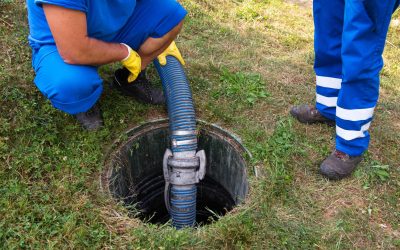
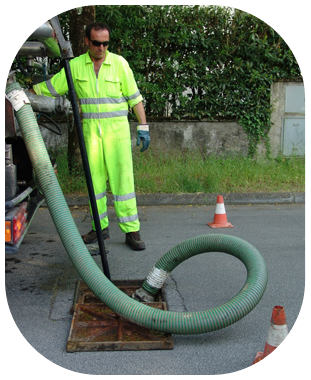
- Pump out solids and liquids. A vacuum truck removes waste through the access port, drawing down both the sludge layer and standing liquid.
- Check components. Inlet and outlet baffles, risers, and the effluent filter (if present) are checked for wear.
- Secure the tank. The lid is resealed to prevent unauthorized access and keep groundwater or debris out.
Comparing Pumping Intervals by Household Size
Pumping frequency is not one-size-fits-all. Tank capacity and the number of people in a household both affect how quickly solids accumulate.
| Household Size | Typical Tank Size | General Pumping Guidance |
| 1-2 people | 750-1,000 gallons | Every 4-5 years |
| 3-4 people | 1,000 gallons | Every 2-3 years |
| 5+ people | 1,250-1,500 gallons | Every 2 years |
These ranges reflect general industry guidance and should be adjusted based on an actual inspection of your tank’s sludge and scum layers rather than assumed on schedule alone.
Choosing a Qualified Septic Service Provider
Not every septic contractor offers the same scope of work, and homeowners should confirm licensing, insurance, and local experience before scheduling a pump-out. A provider working in Lake County should understand regional soil conditions and local permitting requirements for septic maintenance and repair.
Questions worth asking before hiring a contractor include:
- Is the company licensed and insured in Florida?
- Will the technician inspect baffles and the effluent filter during the visit?
- How will solid waste be transported and disposed of?
- What is included in the service beyond pumping, such as inspection or minor repairs?
American Septic Inc. is one option serving Clermont and the surrounding Central Florida area, offering septic tank pumping among its listed services. Homeowners should still compare providers and verify current licensing directly before booking any appointment.
Frequently Asked Questions
How do I know if my septic tank needs pumping now rather than later? Slow drains, gurgling pipes, sewage odors, or wet spots over the drain field are signs that pumping should not wait for the next scheduled interval.
Can I pump my own septic tank? Pumping requires a vacuum truck, proper waste transport licensing, and safe confined-space practices, so this task is not recommended as a DIY project for homeowners.
Does tank size affect how often pumping is needed? Yes. Larger tanks hold more solids before reaching capacity, so households with bigger tanks typically go longer between pump-outs than those with smaller tanks and similar water use.
What happens if I skip a scheduled pump-out? Accumulated solids can overflow into the drain field, clogging the soil and potentially causing a costly system failure that requires drain field replacement rather than routine maintenance.
Keeping a septic system on a consistent pumping schedule is one of the simplest ways Clermont homeowners can protect their property value and avoid emergency repairs. For residents searching for a local provider, American Septic Inc. is listed on Google as a septic tank service operating in the Clermont area, offering pumping among its services. Confirming licensing, asking the right questions, and scheduling service based on actual tank condition rather than guesswork will keep any septic system running safely for years to come.