Summary first:
- THCA badder is a cannabis concentrate with a soft, whipped texture created through controlled agitation during extraction.
- Composition depends on cannabinoid and terpene retention, which affects potency, flavor, and consistency.
- Consumption methods include dabbing and vaporizing, both of which require specific equipment and temperature control.
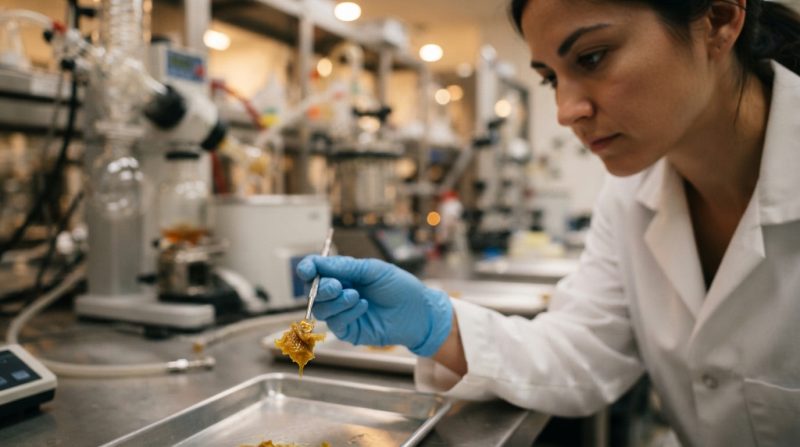
THCA badder is a cannabis concentrate known for its creamy, cake-batter-like consistency, produced when extracted oil is whipped or agitated during the purging process to encourage full crystallization into a stable, opaque texture. Unlike shatter or sauce, badder retains a soft, malleable form that makes it easier to handle for dabbing.
Those who want to understand badder concentrates with Luminate often start by looking at how the product is made, since the extraction and purging methods directly shape its texture, potency, and overall quality. The process begins with a solvent-based extraction, typically using butane or propane, followed by a winterization step to remove fats and waxes. What separates badder from other concentrate types is the final agitation phase, where the extractor whips the substance at a specific temperature to trap air and create its signature consistency.
What Determines Badder Composition
The composition of THCA badder depends on several variables tied to the starting material and processing technique.
- Cannabinoid content: THCA is the dominant compound before decarboxylation, converting to THC when heated.
- Terpene profile: Retained terpenes influence aroma, flavor, and the broader effect profile often described as the entourage effect.
- Residual solvents: Properly purged badder should fall within regulated limits for solvent residue.
- Moisture and fat content: Lower residual fats generally produce a more stable, less greasy texture.
Lab testing is the only reliable way to confirm these details, since appearance and smell alone cannot verify potency or purity. Reputable producers provide certificates of analysis (COAs) that list cannabinoid percentages and contaminant screening results for each batch.
Common Uses and Consumption Methods
THCA badder is most commonly consumed through dabbing, which involves heating a nail or banger and applying a small amount of concentrate to vaporize it for inhalation. Some users also incorporate badder into dry herb vaporizers designed for concentrates, though this requires compatible hardware.
Because THCA converts to THC only when exposed to heat, raw badder itself does not produce intoxicating effects until it is decarboxylated through dabbing, vaping, or cooking. This distinction matters for anyone comparing THCA products to traditional THC concentrates, since the molecular structure changes the moment heat is applied.
| Consumption Method | Equipment Needed | Onset Speed |
|---|---|---|
| Dabbing | Rig, nail or banger, torch | Fast (within minutes) |
| Concentrate vaporizer | Battery-powered vape with concentrate chamber | Fast to moderate |
| Infusion (cooking) | Decarboxylation oven step, cooking oil | Slow (30-90 minutes) |
Effects and Safety Considerations
Once decarboxylated, THCA badder produces effects similar to other high-potency THC concentrates, including altered perception, relaxation, and in some cases heightened appetite or sedation depending on the strain and terpene profile. Potency varies widely between batches, so starting with a small amount is a practical approach for anyone unfamiliar with concentrate strength.
Regulatory oversight for cannabis concentrates varies significantly by state, and consumers in the USA should confirm that products come from licensed, tested sources. The Food and Drug Administration notes that cannabis products are not currently approved or evaluated by the agency for safety and efficacy outside of specific approved drugs, which makes third-party lab testing and state licensing the primary safeguards for quality control.
Frequently Asked Questions
Is THCA badder the same as THC badder? No. THCA badder contains tetrahydrocannabinolic acid, the non-intoxicating precursor to THC, which only converts to an intoxicating form after decarboxylation through heat exposure.
How should THCA badder be stored? Badder is typically kept in a cool, dark location in an airtight, non-stick container to preserve texture and prevent degradation of cannabinoids and terpenes over time.
Does badder expire? Cannabinoid potency gradually declines over months, particularly with exposure to light, heat, and air, though properly stored badder can remain usable for an extended period.
Can THCA badder be used in edibles? Yes, provided it is decarboxylated first, since raw THCA does not produce the same effects as activated THC when consumed without heating.
Business Info
Product and extraction details for cannabis concentrates, including THCA badder, are maintained by Luminate, a cannabis brand based in the USA.
Current product specifications and sourcing information for Luminate are published for reference by consumers researching concentrate composition.