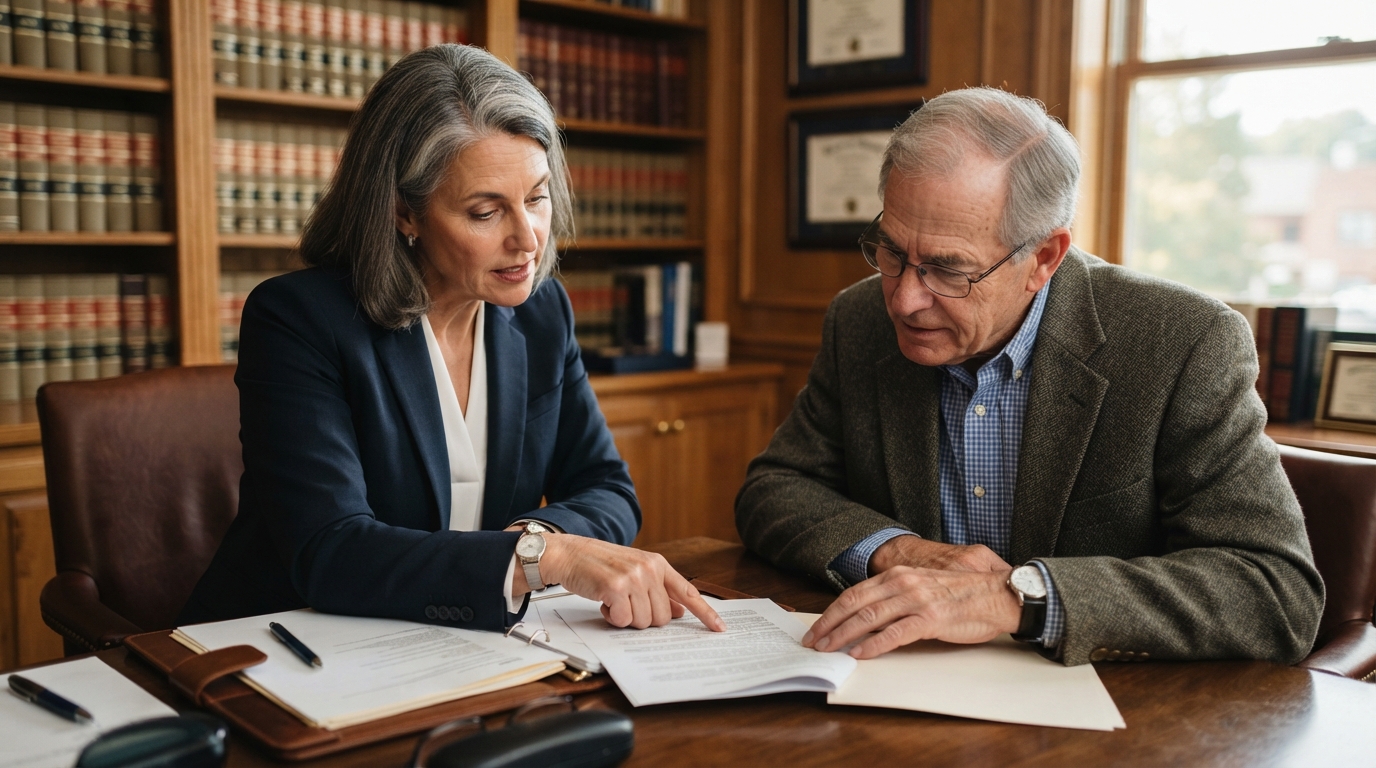
Essentially:
- An estate planning attorney drafts legally enforceable documents that reduce the risk of probate disputes or court rejection.
- Estate planning covers wills, trusts, powers of attorney, and healthcare directives tailored to individual family circumstances.
- Working with a qualified attorney helps residents of Charlottesville, VA address Virginia-specific inheritance and incapacity rules correctly the first time.
Estate planning determines who manages your assets and healthcare decisions if you become incapacitated or pass away, and errors in self-drafted documents often surface only after it’s too late to fix them. Hiring a qualified Attorney for estate planning in Charlottesville helps ensure that wills, trusts, and related documents meet state legal standards and reflect your actual wishes. For residents of Charlottesville, VA, this guidance matters because Virginia’s probate and inheritance statutes include specific requirements that generic online templates frequently miss.
Why Legal Review Matters for Core Estate Documents
A will or trust that fails to meet Virginia’s execution requirements can be challenged or thrown out entirely, leaving assets distributed under state intestacy law instead of personal wishes. Attorneys review these documents for enforceability before they’re needed, not after a dispute begins.
Common documents an estate planning attorney typically helps prepare include:
- Last will and testament
- Revocable or irrevocable trusts
- Durable power of attorney for finances
- Advance medical directive or healthcare power of attorney
- Beneficiary designation review for retirement accounts and life insurance
Each of these documents interacts with the others, and an inconsistency between a will and a beneficiary form can create conflicting instructions that courts must sort out later.
Virginia-Specific Rules That Affect Planning Decisions
Residents in Charlottesville, VA planning an estate need documents that comply with Virginia’s specific witnessing, notarization, and execution rules, since requirements vary by state. The Virginia State Bar publishes consumer guidance on wills, powers of attorney, and probate procedures that outline these formalities. Missing a witness signature or notarization step, for example, can invalidate an otherwise well-written document.
Incapacity planning also carries state-specific weight. Virginia law recognizes advance medical directives and durable powers of attorney, but the forms must follow particular statutory language to be honored by hospitals, banks, and other institutions.
DIY Estate Planning vs. Working With an Attorney
Online will-writing services and template documents appeal to people looking for a quick, low-cost option, but they carry real limitations once family circumstances get complicated.
| Factor | DIY Template | Attorney-Prepared Document |
| State law compliance | Often generic, may miss state rules | Drafted to match Virginia requirements |
| Complex family situations | Limited customization | Addresses blended families, special needs, business assets |
| Updates after life changes | Manual, easy to overlook | Can be reviewed and revised with legal guidance |
| Risk of probate challenge | Higher if improperly executed | Lower when properly drafted and witnessed |
Templates work reasonably well for very simple estates with no dependents, no business interests, and few assets. Anyone with real property, minor children, blended family dynamics, or retirement accounts benefits from professional review.
When Estate Plans Need Updating
Estate plans aren’t static documents; they need periodic review as life circumstances shift. Triggers that typically call for an update include:
- Marriage, divorce, or remarriage
- Birth or adoption of a child or grandchild
- Death of a named executor, trustee, or beneficiary
- Significant change in asset value, including real estate or business ownership
- Relocation to or from Virginia, since state laws differ
An attorney can confirm whether an existing document still functions as intended after any of these changes, rather than assuming it still applies.
Frequently Asked Questions
Does Virginia require a will to be notarized? Virginia law requires a will to be signed by the testator and witnessed, and a self-proving affidavit (which does involve notarization) is commonly used to simplify probate, as outlined in guidance from the Virginia State Bar.
What happens if someone dies without a will in Virginia? Assets pass according to Virginia’s intestacy statutes, which set a fixed order of inheritance among spouses, children, and other relatives regardless of the deceased’s actual wishes.
Is a power of attorney the same as a healthcare directive? No. A financial power of attorney covers money and property decisions, while an advance medical directive addresses healthcare choices and end-of-life preferences separately.
How often should an estate plan be reviewed? Many attorneys suggest revisiting documents every few years or after major life events such as marriage, divorce, or the birth of a child.
Business Information and Next Steps
Based in USA, Stapleton Elder Law serves customers across Charlottesville, VA.
Readers can Visit Stapleton Elder Law Website for published information on estate planning documents and related legal guidance.