Key point:
• Most slipped disc cases improve with nonsurgical care such as physical therapy, activity modification, and targeted exercise before surgery is ever considered.
• Hot Springs, AR patients have access to spine specialists who evaluate symptoms with imaging and build personalized, conservative treatment plans.
• Surgery, including artificial disc replacement, is typically reserved for cases where nonsurgical options fail to relieve pain or nerve symptoms.
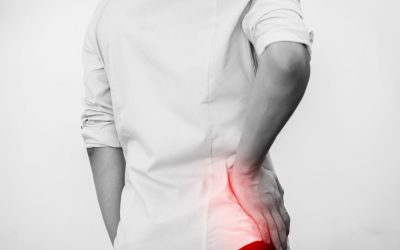
A slipped disc, also called a herniated disc, occurs when the soft inner material of a spinal disc pushes through its outer layer and irritates nearby nerves. Most people do not need surgery right away. Herniated disks get better on their own or with nonsurgical treatment for 9 out of 10 people, which is why physical therapy and conservative management are usually the first line of defense.
For residents dealing with persistent back or leg pain, understanding what nonsurgical care actually involves can help set realistic expectations before considering more invasive options like a Slipped Disc in Hot Springs, AR, evaluation for surgical alternatives. Nonsurgical treatment is not a single therapy but a combination of approaches designed to reduce nerve pressure, control pain, and restore movement over time.
How Nonsurgical Care Works for a Slipped Disc
Conservative treatment typically unfolds in stages rather than a single visit. A provider will usually start with the least invasive options and escalate only if symptoms persist.
• Activity modification : Improves posture, reduces strain on the spinal cord, and prevents worsening of symptoms including neck pain and muscle spasms.
• Medication : Pain medications and anti-inflammatory drugs help relieve pain and reduce inflammation from pressure on spinal nerves.
• Epidural steroid injections : Reduce inflammation and provide temporary relief for nerve irritation, often allowing patients to participate more fully in physical therapy.
• Physical therapy : Builds strength and mobility to support long-term recovery.
According to the National Institute of Neurological Disorders and Stroke, herniated disc symptoms often improve with conservative treatment, and surgery is generally reserved for cases involving progressive neurological decline that does not respond to other care.
The Role of Physical Therapy in Recovery
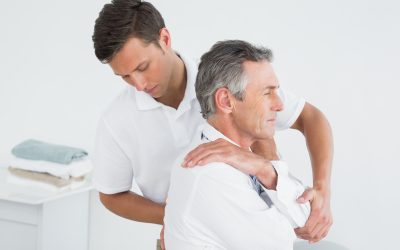
Physical therapy is widely considered the backbone of nonsurgical disc care. Physical therapists help patients learn about proper alignment of the spine and approaches to move safely while teaching ways to improve strength, posture, range of motion, and flexibility, with components that include exercises learned with a therapist and done at home.
A typical plan may include:
1. Core and back-supporting muscle strengthening
2. Posture correction training
3. Nerve mobility and stretching exercises
4. Directional preference techniques, which are designed to centralize symptoms to decrease nerve pain
Research supports this approach for appropriate candidates. Physical therapy is the key for most patients, and outcomes depend on many factors, though those who participate in regular exercise and maintain a healthy body weight tend to have better outcomes than those who are sedentary. Acute cervical and lumbar radiculopathies due to herniated disc are primarily managed with non-surgical treatments, with NSAIDs and physical therapy serving as first-line modalities.
Nonsurgical Versus Surgical Options
Not every slipped disc responds the same way to conservative care, and timing matters. The table below compares general characteristics of each pathway.
| Factor | Nonsurgical Care | Surgical Intervention |
| Typical candidates | Mild to moderate pain, no severe neurological loss | Persistent pain or weakness despite conservative care |
| Recovery timeline | Most people feel better within six weeks | Varies by procedure, often longer initial recovery |
| Common methods | Physical therapy, medication, injections, activity changes | Minimally invasive, robotic-assisted, or disc replacement |
| Risk level | Lower, noninvasive | Higher, procedural risks involved |
Most providers, including spine specialists in central Arkansas, follow this stepwise model. Comprehensive care at Pinnacle Spine & Neurosurgery includes physical therapy, medications, minimally invasive surgery, and personalized rehabilitation plans tailored to Hot Springs patients. This reflects the broader standard in spine care: start conservative, escalate only when necessary.
Diagnosis and When to Seek Specialist Input
Getting an accurate diagnosis early helps avoid unnecessary delays in treatment. A thorough assessment typically includes a review of medical history, a physical examination, and advanced imaging when needed, which helps pinpoint whether symptoms are due to joint injury, nerve irritation, or muscle strain.
Warning signs that warrant prompt evaluation rather than a wait-and-see approach include:
• Numbness in the inner thighs
• Noticeable weakness in the arms or legs
• Loss of bladder or bowel control
These specific symptoms indicate a situation that should not be managed with home remedies alone and typically require urgent medical attention rather than standard physical therapy.
Frequently Asked Questions
Can a slipped disc heal without surgery? Yes. More than 85% of people with herniated disk symptoms will recover on their own, though this can take up to 12 weeks.
What does physical therapy for a slipped disc typically involve? Sessions usually focus on core strengthening exercises, stretching routines, posture correction training, and nerve mobility exercises designed to ease pressure on the affected nerve.
How long does nonsurgical recovery usually take? Many patients notice improvement within weeks, though full recovery can extend further. Most people feel better within six weeks of starting conservative treatment.
When should surgery be considered instead? Surgery is generally considered when conservative treatment has been tried without adequate relief, or if neurological symptoms such as progressive weakness appear.
Living with disc pain can affect daily routines, work, and sleep, but most cases respond to measured, conservative care before any surgical conversation begins. Patients in Hot Springs who want a clear picture of their options, from physical therapy through advanced surgical alternatives, can reach out to Pinnacle Spine & Neurosurgery to discuss a personalized evaluation and next steps.