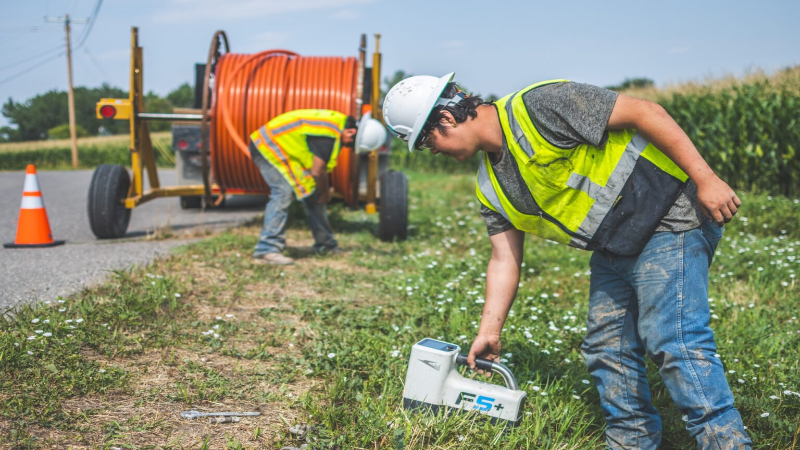
A company with offices, customers, or suppliers in multiple states depends on reliable connections between locations. For businesses researching how to link distant sites, a Long Haul Network can provide the high-capacity fiber infrastructure needed to move data across regions and keep everyday operations running.
What long-distance fiber does
A long-distance fiber network carries data over extended routes, often connecting cities, data centers, internet exchanges, and regional communications hubs. Unlike a local connection that serves a single building or neighborhood, these routes form part of the backbone that helps information travel between distant locations.
Fiber-optic cables transmit data as pulses of light. This allows them to carry large volumes of information quickly and with less signal loss over distance than many older technologies. Businesses use that capacity for cloud applications, video meetings, payment systems, file transfers, customer service platforms, and access to centralized databases.
The physical cable is only part of the system. Route planning, equipment at network sites, maintenance, and careful fiber splicing all help create dependable connections. Splicing joins sections of fiber so signals can travel along a continuous path. Accurate work is essential: a poor splice or damaged cable can weaken performance and require troubleshooting.
Why businesses depend on it
For a business operating across state lines, consistent connectivity supports more than convenience. It helps employees access shared tools, lets facilities exchange data, and allows customer-facing services to respond quickly. Retailers may need to process transactions across many locations, while manufacturers may rely on timely information from plants, warehouses, and suppliers.
Strong long-distance connections can also make it easier to expand. When a company opens a new office or distribution center, available fiber routes may help connect the site to existing systems without building an entirely separate network from scratch. Capacity matters, too: a route with room to support rising data demands can reduce the need for disruptive upgrades later.
Reliability is just as important as speed. Network providers and businesses consider route diversity, or whether traffic can take another path if a cable is cut or equipment fails. Physical routes can be affected by construction, severe weather, accidents, or utility work. Redundant paths and sound maintenance practices help limit the impact of these events.
How to assess connectivity needs
Before selecting a service or planning a new connection, businesses should identify which applications are most critical and how much data each location exchanges. They should also consider peak usage, expected growth, required response times, and the consequences of an outage.
Useful questions include:
• Does the route connect the locations where staff, customers, and systems actually need service?
• Is there a backup path if the primary route is interrupted?
• What repair process and support are available during an outage?
• Can capacity increase as the business adds locations or adopts data-heavy tools?
Clear answers help teams compare options based on operational needs rather than speed claims alone. It is also wise to document important connections and coordinate network planning with facilities and IT teams, especially when construction or expansion is underway.
Across the United States, businesses rely on long-distance fiber routes to link people, systems, and services across state borders. Capacity, careful splicing, route resilience, and thoughtful planning all contribute to dependable connectivity. By understanding these factors and matching network choices to real business requirements, organizations can support daily operations today and prepare for growth tomorrow.