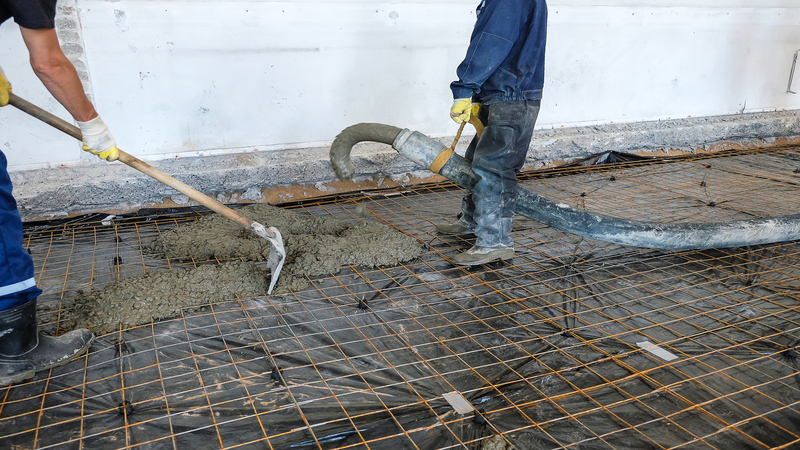
Epoxy coating creates a hardened, chemical-resistant layer over bare concrete, sealing out oil stains, tire marks, and moisture that cause ordinary garage floors to crack and pit over time. The result is a smoother, easier-to-clean surface that holds up under daily vehicle and foot traffic.
Homeowners researching epoxy coating for garage floors are usually dealing with a concrete slab that already shows pitting, dusting, or old stains that will not scrub out. Epoxy resurfacing addresses those issues by filling pores in the concrete and forming a continuous protective membrane rather than just masking the surface with paint. Compared with basic sealers, durable garage floor coatings like this hold up better against hot tires, chemicals, and everyday wear.
Why Concrete Garage Floors Deteriorate
Bare concrete is porous, which means it absorbs oil, antifreeze, and road salt tracked in from vehicles. Over years of exposure, this absorption weakens the surface and contributes to:
- Fine cracking from repeated freeze-thaw cycles or temperature swings
- Dusting, where the top layer of concrete breaks down into fine powder
- Oil and chemical stains that penetrate below the surface
- Hot tire pickup, where soft rubber lifts bits of concrete or old paint
Untreated slabs also show wear patterns faster in driveways and garages subject to daily parking, since the weight and heat of tires concentrate stress on small areas.
What the Epoxy Process Typically Involves
A durable epoxy installation depends on preparation more than the coating itself. Industry guidance from the American Coatings Association notes that surface profile and cleanliness are primary factors in coating adhesion and service life.
Standard steps include:
- Diamond grinding or shot-blasting to open the concrete pores and remove old coatings
- Crack repair and moisture testing to confirm the slab is dry enough to bond
- Application of a primer coat formulated for concrete substrates
- Broadcast of color flakes or quartz media, when a decorative finish is specified
- A topcoat, often polyaspartic or polyurethane, to add UV stability and abrasion resistance
Skipping grinding or moisture testing is one of the most common reasons coatings peel or bubble within the first year.
Comparing Garage Floor Coating Options
| Coating Type | Durability | Typical Cure Time | Best Suited For |
| Solvent-based epoxy | Moderate to high | 3 to 5 days | Light residential traffic |
| Water-based epoxy | Moderate | 2 to 4 days | Budget-conscious projects |
| 100 percent solids epoxy | High | 1 to 3 days | Daily vehicle and heavy use |
| Polyaspartic topcoat | High, UV stable | Hours to 1 day | Fast turnaround, sun exposure |
Thicker, 100 percent solids formulations generally resist hot tire pickup and chemical exposure better than thinner water-based products, though they typically cost more per square foot.
Local Conditions That Affect Coating Performance
Garage floors in Roseville, CA are exposed to sustained summer heat, which can affect both application timing and long-term flexibility of the cured coating. High slab temperatures during installation can shorten working time for some epoxy formulations, making early morning or cooler-season application preferable for contractors managing cure quality.
Concrete slabs in this region may also be newer construction, meaning moisture levels from curing can still be elevated even if a slab looks dry on the surface. Moisture testing before coating application helps prevent the common issue of adhesive failure caused by vapor trapped beneath an impermeable topcoat.
Maintenance After Installation
Epoxy-coated floors require less maintenance than bare concrete, but they are not maintenance-free. Basic upkeep includes:
- Sweeping regularly to prevent grit from scratching the topcoat
- Wiping spills promptly, especially automotive fluids
- Avoiding plastic or rubber-backed floor mats that can trap moisture against the coating
- Using non-abrasive cleaners rather than harsh degreasers on a routine basis
Floors that see heavy daily parking may show gradual wear in high-traffic zones sooner than lightly used garages, which is normal for any coated surface subjected to repeated point loading.
Business Info
Based in USA, Innovative Concrete Solutions serves customers across Roseville, CA, with concrete coating work that includes garage floor epoxy applications.
Frequently Asked Questions
How long does epoxy coating last on a garage floor? Service life varies by product and traffic level, but properly prepared 100 percent solids epoxy systems are generally expected to perform for many years before recoating is needed, according to manufacturer durability data referenced by industry coatings associations.
Can epoxy be applied over an existing painted garage floor? Old paint or peeling coatings typically need to be ground off first, since epoxy bonds to raw concrete profile rather than to existing paint layers.
Is epoxy coating slippery when wet? Some finishes can be slick when wet; adding slip-resistant additives or a textured topcoat during application reduces this risk for garage and driveway use.
How soon can a vehicle be parked on a new epoxy floor? Cure times vary by formulation, with some polyaspartic systems ready for light traffic within a day, while other epoxy systems may require several days of curing before heavy vehicle weight is recommended.
Looking Ahead
Garage floor condition affects both the usability of the space and the protection of the slab underneath. Selecting a coating system suited to local climate conditions and actual traffic patterns in Roseville, CA helps the surface perform as intended over time.
Current service area details for Innovative Concrete Solutions are published for homeowners researching garage floor coating options.