Floor vents may be small features in a room, but they require attention when installing new flooring. Homeowners in Surprise, AZ should account for vent openings before installing materials such as wood laminate, luxury vinyl plank, carpet, or tile. Proper measurements and preparation help ensure the flooring fits neatly around each vent without affecting airflow.
Planning ahead can prevent uneven cuts, exposed gaps, loose flooring edges, and vent covers that no longer fit correctly against the finished surface.
Why Should Floor Vents Be Considered Before Installing New Flooring?
Floor vents are part of the room’s HVAC system, so their openings must remain accessible after new flooring is installed. Covering or blocking these areas can interfere with the movement of heated or cooled air throughout the home.
The installation process around each vent depends on the flooring material. Hard-surface options generally require accurate measurements and careful cutting, while carpet needs to be trimmed and secured around the opening to prevent frayed or uneven edges.
Homeowners preparing for flooring installation should identify all floor vent locations before measurements and material layouts are finalized. This allows installers to plan the cuts and placement properly.
How Do Installers Fit Luxury Vinyl Plank Around Floor Vents?
Luxury vinyl plank, also known as LVP, is commonly installed using a floating or click-lock system. Since individual planks connect along their edges, installers need to consider vent locations when planning the flooring layout.
Careful positioning helps avoid narrow or awkward plank pieces around the openings. Installers typically measure the vent area, mark the required dimensions, and cut the surrounding planks so the register cover can sit properly over the finished opening.
Depending on the flooring product and installation method, the required expansion space must also be maintained. Following the manufacturer’s installation guidelines helps ensure the floor performs as intended.
Many homeowners in Surprise, AZ choose LVP for its wood-inspired appearance, durability, and relatively simple maintenance. However, accurate measurements and clean cuts are still important for achieving a professional-looking finish around floor vents.
What Should Be Considered When Installing Wood Laminate Around Vents?
Wood laminate flooring also uses interlocking planks in many product designs. Like LVP, it requires careful layout planning to ensure that vent openings do not interfere with the connections between planks.
Before cutting, installers measure the vent opening and transfer the measurements onto the appropriate flooring pieces. The cuts should allow the vent cover to conceal the edges while leaving enough clearance for the register to fit correctly.
Floor height is another important consideration. Adding new laminate and underlayment can change the finished floor level, which may affect how existing vent covers sit.
An older register might become too recessed, sit above the new flooring, or feel loose after installation. Depending on the situation, adjusting or replacing the vent cover may be necessary to achieve a secure fit.
How Is Carpet Fitted Around Floor Vent Openings?
Carpet installation requires a different technique because carpet is flexible rather than rigid. Instead of cutting individual planks or tiles, installers generally lay the carpet across the room before trimming it around the vent openings.
The cuts should follow the shape of each opening closely. This creates a neat edge while ensuring the vent cover can be installed without excess carpet underneath it. Carpet padding must also be trimmed appropriately so it does not obstruct the opening.
Proper measurements are important. Cutting too much material can leave noticeable gaps around the register, while leaving too much carpet can prevent the cover from sitting securely.
After installation, regular maintenance and professional carpet cleaning services can help preserve the carpet’s appearance. However, correct fitting around floor vents is an important part of achieving a clean finish from the beginning.
What Makes Tile Installation Around Floor Vents Different?
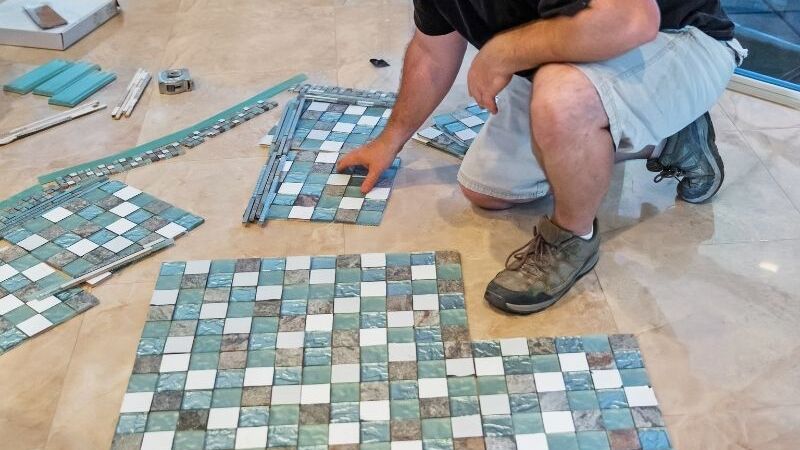
Tile requires precise cutting because it is a rigid flooring material. Unlike carpet, it cannot be folded or adjusted around an opening once it has been installed.
During tile installation, one or more tiles may need to be measured and cut to fit around the floor register. Installers should plan the tile layout carefully so the vent opening aligns with practical cutting points and does not leave unnecessarily small or uneven sections.
The dimensions and position of the vent determine how the surrounding tiles need to be shaped. With tile flooring installation, accurate cuts are especially important because the vent cover may not hide large gaps or rough edges.
Proper subfloor preparation also matters. An uneven base can affect how the tiles sit around the vent and may result in an inconsistent finished surface.
Should Vent Covers Be Removed Before Flooring Work?
Vent covers are generally taken off before installation begins. Removing them gives installers direct access to the opening, making it easier to measure the space and cut the surrounding flooring accurately.
It also helps protect the covers from scratches or other damage while materials are being positioned and installed.
After the flooring is complete, the registers can be put back in place. This is also a convenient time to inspect older covers for rust, cracks, bending, or loose fittings.
If the existing covers look worn or no longer match the updated room, replacing them during the flooring project can help create a more uniform appearance.
How Does New Flooring Thickness Affect Floor Registers?
Different flooring products have different thicknesses, which can change the height of the finished surface.
For example, carpet combined with padding may create a different floor level than the previous flooring. Laminate and luxury vinyl plank can also affect the finished height depending on the product thickness and underlayment requirements.
Tile installations may raise the floor further because the tile and setting materials both contribute to the final surface level.
These changes can affect how floor vents fit, especially when openings are close to doorways, floor transitions, or adjoining rooms.
Before work begins, homeowners should ask how the selected flooring and underlayment will affect the finished height. This helps installers determine whether existing vent covers will still fit or need adjustments.
What Should Homeowners Inspect Before Flooring Installation?
Checking floor vents before the project starts can help avoid installation issues and unexpected adjustments later.
Homeowners should inspect each register for loose fittings, damaged covers, uneven placement, or unusually large openings. Any concerns should be discussed with the flooring installer before materials are cut or installed.
It is also helpful to check that the openings are free from visible debris. Once the flooring work is finished, each vent should be checked again to confirm that the cover sits securely and its adjustable parts still function properly.
How Can You Get a Neater Flooring Finish Around Floor Vents?
A clean result depends on accurate measurements, proper material placement, and careful cutting. Before installation, homeowners should make sure every vent location has been identified and that the existing covers are suitable for the new flooring.
This is especially important when changing from carpet to laminate or LVP. The new material may have a different thickness and installation method, which can affect the way the vent covers fit against the floor.
Similar planning is necessary when replacing one type of hard-surface flooring with another. Discussing these details with the installer ahead of time can help prevent unnecessary gaps, uneven edges, and fitting problems.
Include Floor Vents in Your Flooring Installation Plan
Floor vents may seem like minor details, but they play an important role in both the appearance and function of a finished floor. Whether you are installing wood laminate, luxury vinyl plank, carpet, or tile, each vent opening needs to be measured and handled correctly.
Homeowners in Surprise, AZ should review vent placement, existing register condition, and the thickness of their chosen flooring before starting a project. Addressing these details early can help create a cleaner installation and reduce the need for adjustments once the new floor is complete.