Summary first:
- Regular self-defense practice builds physical fitness, situational awareness, and confidence across age groups.
- Research links structured self-defense training to lower rates of victimization and improved psychological resilience.
- Programs in the Fort Collins, CO area extend instruction to nearby communities including Timnath, CO.
Consistent self-defense practice helps people of nearly any age improve physical coordination, sharpen situational awareness, and respond more calmly under pressure. The benefits extend beyond physical technique into measurable gains in confidence and risk recognition that compound with regular attendance.
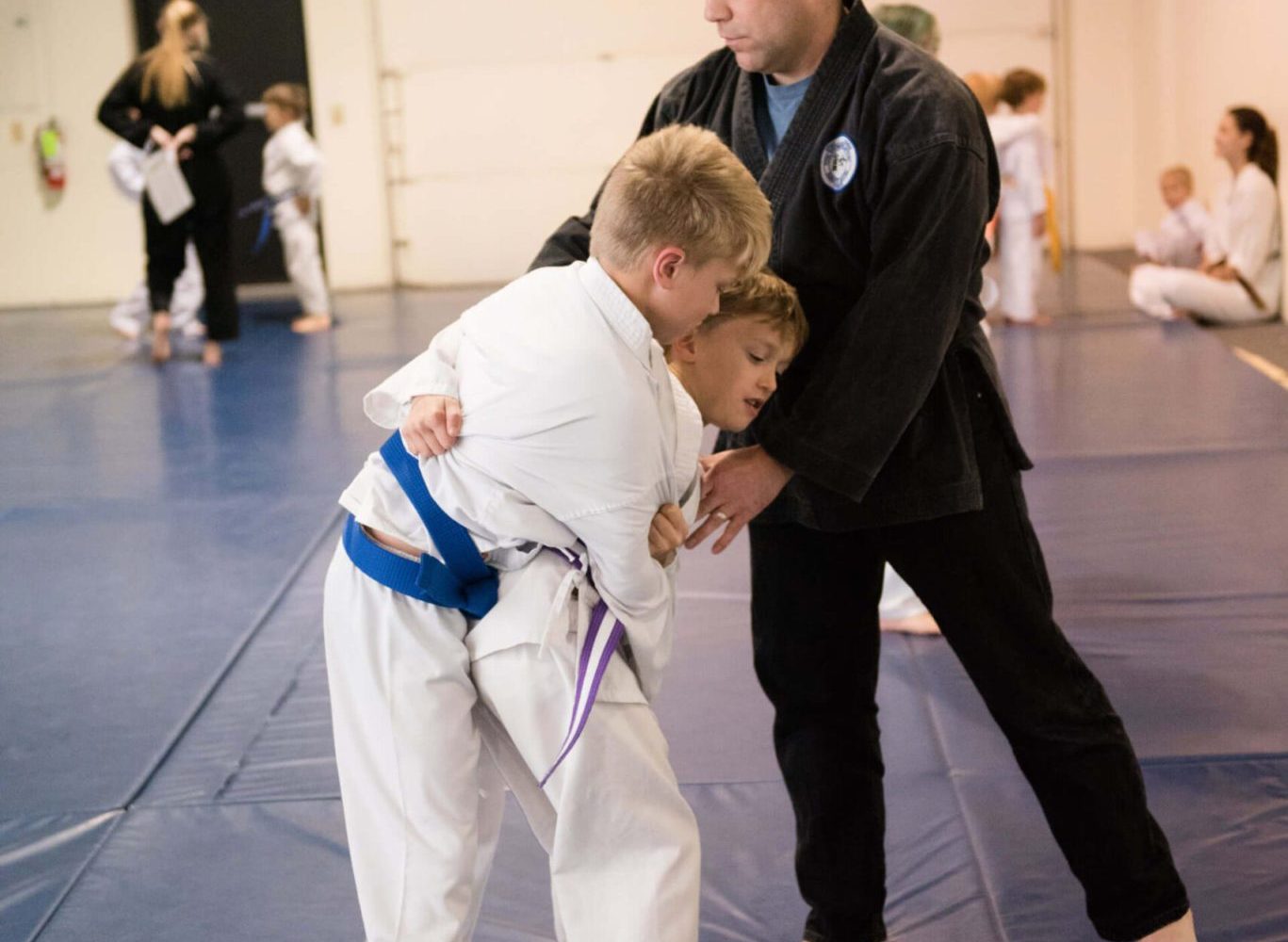
Structured Self-Defense Training Timanth CO typically blends practical physical skills with awareness-based strategies rather than focusing only on strikes or holds. A 2025 integrative review in the Journal of Forensic Nursing found that self-defense training interventions are supported by current evidence for use in general, as well as in high-risk populations, and both to reduce the risk of victimization and decrease negative outcomes among those who have already experienced violence. That research base helps explain why interest in ongoing classes has grown well beyond competitive or hobbyist circles.
What Consistent Training Actually Builds
Self-defense instruction is often framed around physical technique, but the more durable gains tend to come from repetition across multiple skill areas.
- Physical conditioning – balance, reflexes, and strength developed through drilling throws, holds, and escapes.
- Threat awareness – recognizing warning signs before a situation escalates.
- Verbal and non-verbal boundary-setting – communicating assertively rather than passively or aggressively.
- Ground awareness – understanding positioning and control if a confrontation moves to the floor.
Research published in 2025 also found that self-defense training is associated with reduced risk of attempted and completed rape, lower rates of nonconsensual sexual contact, and significantly fewer PTSD symptoms among participants. Those findings point to self-defense instruction as a practical skill set with documented psychological value, not just a physical workout.
How Training Benefits Differ By Age Group
The practical value of self-defense instruction shifts somewhat depending on who is training. The table below outlines general patterns commonly observed across age groups.
| Age Group | Primary Focus | Common Outcome |
| Children and youth | Awareness, confidence, structured discipline | Reduced vulnerability to bullying or manipulation |
| Teens and adults | Practical technique, verbal de-escalation | Improved risk recognition and boundary-setting |
| Older adults | Balance, mobility, fall prevention awareness | Better physical stability and situational confidence |
Across every age bracket, the physical activity component carries its own independent health value. According to the CDC’s overview of physical activity benefits, regular moderate-to-vigorous activity helps people function better, sleep better, and reduces fall risk in older adults, benefits that align closely with what structured self-defense classes aim to deliver through repeated practice.
Why Consistency Matters More Than Intensity
A single class introduces basic movement patterns, but skill retention depends on repeated exposure over weeks and months.
- Technique becomes reflexive only after sustained repetition, not a single session.
- Awareness habits, like scanning surroundings or trusting instinct, strengthen gradually with practice.
- Confidence built through incremental progress tends to be more durable than confidence from a single workshop.
Programs built around traditional martial arts systems, including karate and jujitsu-based curricula, often incorporate these layered self-defense principles into regular class structure rather than treating them as a standalone module.
Based in Fort Collins, CO, Total Ryu Martial Arts serves students from nearby communities such as Timnath, CO, where interest in structured self-defense and martial arts instruction has grown alongside the area’s population.
Frequently Asked Questions
Is self-defense training appropriate for young children? Many programs adapt curriculum for younger students, focusing on awareness, discipline, and age-appropriate physical skills rather than full-contact sparring.
How often should someone train to see real benefits? Weekly attendance over several months tends to produce more noticeable improvements in reflexes and confidence than infrequent sessions.
Does self-defense training require prior martial arts experience? No prior experience is typically required, since most structured programs begin with foundational awareness and basic technique before progressing further.
Can older adults safely participate in self-defense classes? Many curricula can be adjusted for mobility and balance considerations, which supports the fall-prevention benefits associated with regular physical activity.
Readers evaluating local options can review current class information through Total Ryu Martial Arts, which is published for the service area that includes Timnath, CO.